Why Your Most Polished Endorsement Content Might Be Killing the Deal
Photo: Davelondonxxx, CC0, via Wikimedia Commons
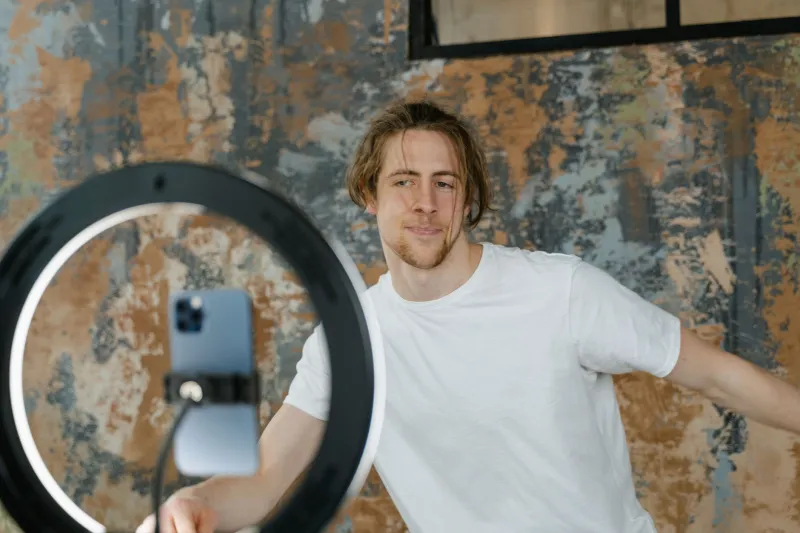
You hired a great creator. You gave them clear talking points. You approved the script. The lighting is immaculate, the audio is crisp, and every frame looks like it belongs in a campaign reel. The post goes live.
And then… nothing much happens.
No real engagement spike. No meaningful uptick in site traffic. The comments are fine — a few fire emojis, maybe a "love this" — but nothing that feels like a real audience responding to something real.
What went wrong? Everything looked right.
That might actually be the problem.
The Trust Paradox of Perfect Content
There's a growing body of audience research suggesting that high-polish endorsement content — the kind with professional lighting, tight scripting, and seamless brand integration — increasingly triggers skepticism rather than trust.
Consumers, particularly younger American audiences who've grown up in the era of influencer marketing, have become remarkably good at detecting when something is "branded." They can spot a partnership post within seconds. And when the content feels too produced, too smooth, too on-message, it activates a kind of mental immune response. Their internal filter goes up, and the message bounces off.
Psychologists who study persuasion call this "reactance" — the instinctive resistance people feel when they sense they're being sold to. The more a piece of content looks like an ad, the more the brain treats it like one. And we all know how people treat ads.
The cruel irony? The more a brand invests in making endorsement content look polished and professional, the more it can undermine the very authenticity that made the endorser worth partnering with in the first place.
What "Too Polished" Actually Signals to Audiences
It's not just that over-produced content looks like an ad. It's what it implies about the relationship between the endorser and the brand.
When every word sounds scripted, audiences assume the endorser doesn't actually use the product. When the lighting is too perfect, it suggests a studio shoot rather than someone's genuine daily life. When the call-to-action is too clean and clearly brand-approved, it signals that the creator's voice has been replaced by a marketing team's voice.
And audiences are right to make those inferences — because often, that's exactly what happened.
The endorsements that consistently outperform expectations share a different set of qualities: they're slightly imperfect, they reflect the creator's actual personality rather than a brand persona, and they feel like something the creator would have posted anyway even without a deal attached. The brand fits into the content rather than the content being built around the brand.
The Viral Endorsements That Worked Because of the Mess
Think about the endorsement moments that actually broke through in recent years. The ones that got talked about, reshared, referenced in other conversations. Almost none of them were the high-gloss productions.
They were the creator who genuinely forgot to mention the discount code until the last ten seconds. The athlete who showed the product sitting in their actual, cluttered gym bag. The food influencer who admitted on camera that the first version of the recipe didn't work. The real reaction, the real setting, the real person — that's what travels.
One audience researcher put it bluntly in a conversation with our team: "People don't share ads. They share things that feel like discoveries. If your endorsement looks like an ad, they won't share it. If it looks like their friend found something cool, they might."
That distinction — ad versus discovery — is everything.
What Brands Can Actually Do About It
This doesn't mean abandoning quality standards or letting creators post anything without oversight. It means rethinking what "quality" looks like in an endorsement context.
Loosen the brief. The more prescriptive your creative direction, the more the creator's natural voice gets squeezed out. Give them the key message and the required disclosures, then let them figure out how to deliver it in a way that sounds like them. You hired them for their voice — let them use it.
Resist the urge to approve every word. Script approval feels like risk management, but it often produces exactly the robotic, on-message delivery that audiences distrust. Consider approving the concept rather than the execution.
Ask for outtakes and process content. Some of the most effective endorsement content comes from showing the experience of trying something rather than just the polished result. The unboxing that went slightly sideways. The first attempt at the recipe. The honest reaction before the creator found the right words. That's the content that reads as real.
Encourage context over claims. A creator saying "this thing literally changed my morning routine" while showing their actual morning routine is infinitely more persuasive than the same creator delivering a list of product benefits to camera. Context creates believability.
Build in permission for honest caveats. One of the most trust-building things an endorser can do is acknowledge a limitation or a personal preference. "This isn't for everyone, but for me it works because..." is more convincing than a universal recommendation. Brands that allow for nuance get more credible endorsements.
Redefining What You're Actually Buying
When brands partner with creators and influencers, they're not buying a production service. They're buying access to an audience that trusts this specific person. Every layer of polish you add to the content chips away at the thing you actually paid for.
The most effective endorsement strategy right now isn't about making content that looks like marketing. It's about making content that looks like it came from a person who happens to love your brand — because ideally, it did.
That means getting comfortable with imperfection. It means trusting your advocates. And it means measuring success by whether audiences actually believed what they heard, not just whether the final deliverable looked great in a deck.
Because a flawless post nobody trusts isn't an asset. It's just an expensive non-event.