Perfectly Imperfect: Why Brands Are Betting Big on Endorsers Who Don't Have It All Together

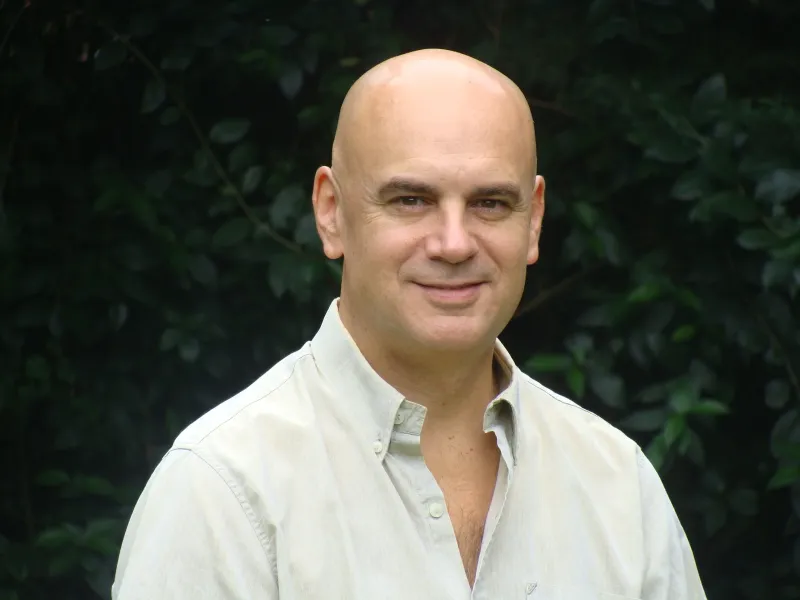
Photo: Staff Sgt. Shawn Nickel, Public domain, via Wikimedia Commons
There's a particular kind of exhaustion that sets in when you scroll through your feed and see the same type of person — flawless skin, aspirational kitchen, suspiciously perfect lighting — telling you that some product changed their life. You don't believe them. You don't even really see them anymore. They've become wallpaper.
Brands are starting to notice that you've stopped looking.
Something genuinely interesting is happening in endorsement culture right now. Companies across industries — from skincare to financial services to food and beverage — are actively seeking out advocates who bring visible imperfections, unconventional backgrounds, or even publicly known past missteps to the table. It sounds counterintuitive. It's working anyway.
The Influencer Fatigue Problem Is Real (and Getting Worse)
Influencer marketing as we've known it peaked somewhere around 2019, and the hangover has been slow and steady. A 2023 Edelman Trust Barometer report found that consumer trust in traditional advertising and celebrity endorsements continues to erode, while trust in "people like me" holds stubbornly strong. The gap between those two things is where smart brands are planting their flags.
The core issue isn't that influencers are dishonest — plenty of them are perfectly sincere. The problem is that polish itself has become a credibility killer. When everything about someone's presentation feels curated and optimized, audiences intuitively sense it, even if they can't articulate why. The brain registers it as performance, not reality. And once something reads as performance, the endorsement attached to it loses its weight.
The solution some brands are landing on? Find voices that feel genuinely unscripted — even if that means those voices come with some baggage.
What 'Flawed' Actually Means in This Context
When we talk about imperfect endorsers, we're not talking about people who are harmful, offensive, or genuinely problematic. The distinction matters. We're talking about advocates who:
- Have publicly navigated a challenge — financial hardship, health struggles, career setbacks — that their audience recognizes
- Present themselves without heavy filtering or idealized aesthetics
- Have an unconventional or non-linear backstory that doesn't fit the traditional success narrative
- Have made mistakes in the past that they've addressed openly and moved through
This is relatability at its most potent. American consumers, particularly Gen Z and younger Millennials, have developed a sophisticated radar for authenticity. They don't expect perfection from real people. When an endorser presents one, it raises flags rather than admiration.
Brands That Got It Right
Dove's long-running Real Beauty campaign is the foundational case study here — a brand that made a deliberate choice to feature women who didn't fit conventional beauty standards and built decades of loyalty from it. But more recent examples show how the strategy has evolved and sharpened.
When Model and activist Winnie Harlow became a brand ambassador for various beauty and fashion labels despite — or really, because of — her vitiligo, the response wasn't pity. It was recognition. Consumers didn't see a brand doing charity work. They saw a brand that understood what beauty actually looks like in America's diverse, complicated reality.
In the financial services space, some credit unions and fintech startups have found enormous traction by partnering with personal finance creators who openly discuss their own past debt, bankruptcy, or financial mistakes. These aren't polished wealth coaches. They're people who made a mess and cleaned it up — and their audiences trust them precisely because of that history, not in spite of it.
Even in traditionally aspirational categories like fitness, brands have started leaning into endorsers who document their bad days, their plateaus, and their struggles with consistency. The result? Higher engagement, longer retention, and conversion rates that outperform their picture-perfect counterparts.
The Psychology Behind Why This Works
There's a concept in social psychology called the Pratfall Effect — the idea that people who demonstrate competence actually become more likable when they make a visible mistake. The error humanizes them. It makes them feel real. Applied to endorsements, this translates directly: an advocate who admits to complexity or imperfection signals that their positive recommendation is coming from a real place, not a scripted one.
When someone says "I love this product" from a pedestal, you wonder what they're selling. When someone says "I've had a rough time, and this actually helped," you listen differently. The vulnerability creates a permission structure for trust.
What Brands Should Actually Look For
If you're thinking about shifting your endorser strategy in this direction, the goal isn't to find someone who's a mess for the sake of it. Authenticity isn't a costume. What you're actually looking for is:
Genuine resonance with your audience. The endorser's specific experiences — including their flaws — should mirror something real in the lives of your customers. A financial app partnering with someone who's overcome debt makes sense. The same app partnering with someone who's "imperfect" because they once wore an unflattering outfit does not.
A demonstrated ability to communicate openly. The value of an imperfect endorser only comes through if they're willing and able to talk about their reality. Look at how they've handled difficult topics in their existing content.
Consistency between their story and your brand's values. This is where authenticity audits come in. The endorser's past and present should connect logically to what you're offering. Forced connections are worse than no connection at all.
The Bigger Shift This Signals
What we're really watching is a recalibration of what endorsement means. For most of advertising history, an endorser's job was to represent an ideal — to be the aspirational version of your customer. The implicit message was: become this person, use this product.
That model is losing altitude fast. The new model says: this person is already like you, and here's what helped them. It's a fundamentally different relationship, and it requires a fundamentally different kind of advocate.
Brands that get this right aren't lowering their standards. They're raising them — just in a different direction. The bar isn't perfection anymore. It's truth. And in a media landscape saturated with performance, truth turns out to be the rarest and most valuable thing a voice can carry.
At Endorser, we'd argue that's always been the point. The most powerful recommendation isn't the most polished one. It's the one you actually believe.