If It Wasn't Written Down, It Didn't Happen: The Case for Building an Endorsement Paper Trail
Let's be honest about how a lot of brand-advocate deals actually start. A marketing manager slides into a creator's DMs. There's some back-and-forth about rates and deliverables. Maybe a few voice memos. A verbal "yeah, we're good" on a Zoom call. And then — boom — the campaign launches.
For a while, this works fine. Until it doesn't.
Endorsement disputes are landing in legal proceedings at a rate that would make your brand's legal team lose sleep. And when they do, the brands showing up without a clean paper trail are finding out the hard way that "we had an understanding" is not a legal defense.
The Casual Deal Problem
There's a culture in influencer and advocate marketing that leans heavily on relationships and vibes. That's not entirely a bad thing — authenticity matters, and overly transactional arrangements can kill the energy that makes endorsements work in the first place. But there's a difference between keeping a relationship warm and leaving your brand legally exposed.
The problem isn't just big-ticket celebrity partnerships. It's happening at every level. A micro-influencer posts content that wasn't approved. A brand ambassador makes claims about a product that the company never authorized. A long-term advocate jumps to a competitor while technically still under an exclusivity arrangement they claim they never agreed to.
In every one of these scenarios, the question becomes the same: what did both parties actually agree to, and where's the proof?
Without documentation, you're essentially asking a judge or arbitrator to take your word for it. That's a rough place to be.
What "Documentation" Actually Means in Practice
When marketers hear "document everything," they sometimes picture drowning in legal paperwork for every single brand mention. That's not the goal. The goal is creating a clear, retrievable record of what was agreed, when it was agreed, and what changed along the way.
Here's what that looks like in practice for brands that are doing this well:
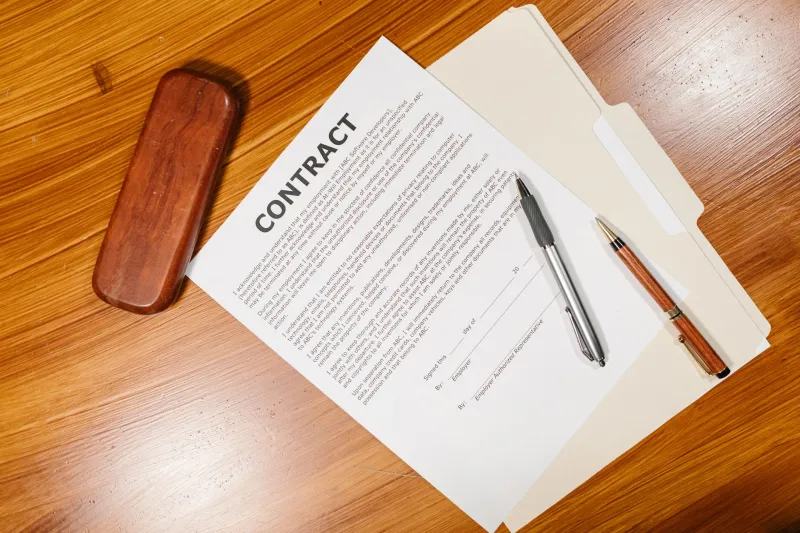
Formal contracts, even for smaller deals. A one-page agreement is infinitely better than no agreement. At minimum, it should cover deliverables, timelines, exclusivity terms, content approval rights, compensation, and what happens if either party wants to walk away. Yes, even for the nano-influencer with 8,000 followers.
Written confirmation of verbal conversations. After any meaningful call or meeting with an advocate, send a follow-up email summarizing what was discussed and agreed. Something as simple as "Just wanted to confirm our conversation today — you'll be posting two Instagram Reels in June, and the content will go through our approval process before publishing" creates a timestamped record that both parties can reference.
Version-controlled content briefs. If you're sending creative direction to an advocate, do it in writing and keep copies of every version. If the brief changes, document that too. This matters enormously if a dispute arises over whether an advocate followed the agreed-upon guidelines.
Approval records for content. Screenshot or archive every piece of content you reviewed and approved before it went live. If you requested changes, keep those communications. This is your proof that you exercised oversight — which matters both legally and from an FTC compliance standpoint.
Amendment logs. Deals change. Rates get renegotiated. Timelines shift. Every time something in the original agreement changes, document it. An email thread confirming a rate increase is an amendment. Treat it like one.
The Platforms Are Not Your Filing Cabinet
One of the sneakier risks brands are running into is assuming that their communication platforms double as reliable archives. They don't.
Instagram DMs disappear. Slack workspaces get deactivated. Phone numbers change and text histories vanish. If your entire agreement with an advocate lives in a DM thread, you are one account deletion away from having no evidence of anything.
Brands that are serious about this are moving critical communications to email — or at minimum, exporting and backing up platform conversations regularly. Some are using contract management tools that timestamp everything automatically. Others are implementing simple shared folders where every brief, approval, and amendment lives in one place that multiple team members can access.
The point is: your documentation needs to exist somewhere durable, not just somewhere convenient.
When Things Go Wrong, the Paper Trail Becomes Everything
Imagine an advocate posts something that contradicts what your brand told them not to say. Maybe they claimed your supplement "cures" something. Maybe they disclosed a competing partnership they weren't supposed to have. Maybe they just ghosted you after taking a payment.
In any of these situations, your ability to respond — legally, financially, and reputationally — depends almost entirely on what you can prove. A solid paper trail lets you demonstrate that you provided clear guidelines, that the advocate agreed to specific terms, and that any deviation was theirs, not yours.
Without it, you're on the hook for what they said, what they did, and what it costs to clean up the mess.
The FTC has made it increasingly clear that brands bear responsibility for how their advocates communicate. That means your documentation isn't just about protecting yourself from the advocate — it's also about proving to regulators that you had proper oversight in place.
Building the Habit Before You Need It
Here's the thing about documentation: it feels bureaucratic right up until the moment it saves you. The brands that build these habits before anything goes wrong are the ones that don't panic when something eventually does.
Start with a simple internal policy. Every advocate deal — regardless of size — gets a written agreement. Every significant conversation gets a follow-up email. Every piece of content gets a logged approval. Assign someone on your team to own this, whether that's a marketing coordinator, a legal liaison, or an outside agency.
If your current roster of advocates is operating on handshake terms, now is the time to clean that up. Reach out, formalize the arrangements, and get signatures. Most advocates will understand — and the ones who push back on basic documentation are probably waving a flag worth paying attention to.
The Bigger Picture
Endorsement marketing is built on trust. That's the whole point — brands borrowing credibility from voices their audiences already believe in. But trust, ironically, works better when it's backed by clarity.
A well-documented partnership isn't a sign that you don't trust your advocate. It's a sign that you respect the relationship enough to define it properly. It protects both sides. It sets clear expectations. And when the campaign performs the way you hoped, it gives you a clean record of exactly how you got there.
The brands building paper trails right now aren't being paranoid. They're being professional. And in an industry where a single dispute can unravel months of work, that professionalism might be the smartest investment in the whole campaign.